Slot Volatility Patterns and Their Connections to Tiered Reward Unlocks via Digital Payment Channels in App Platforms
Written by Zara Weber · Oct 27, 2026
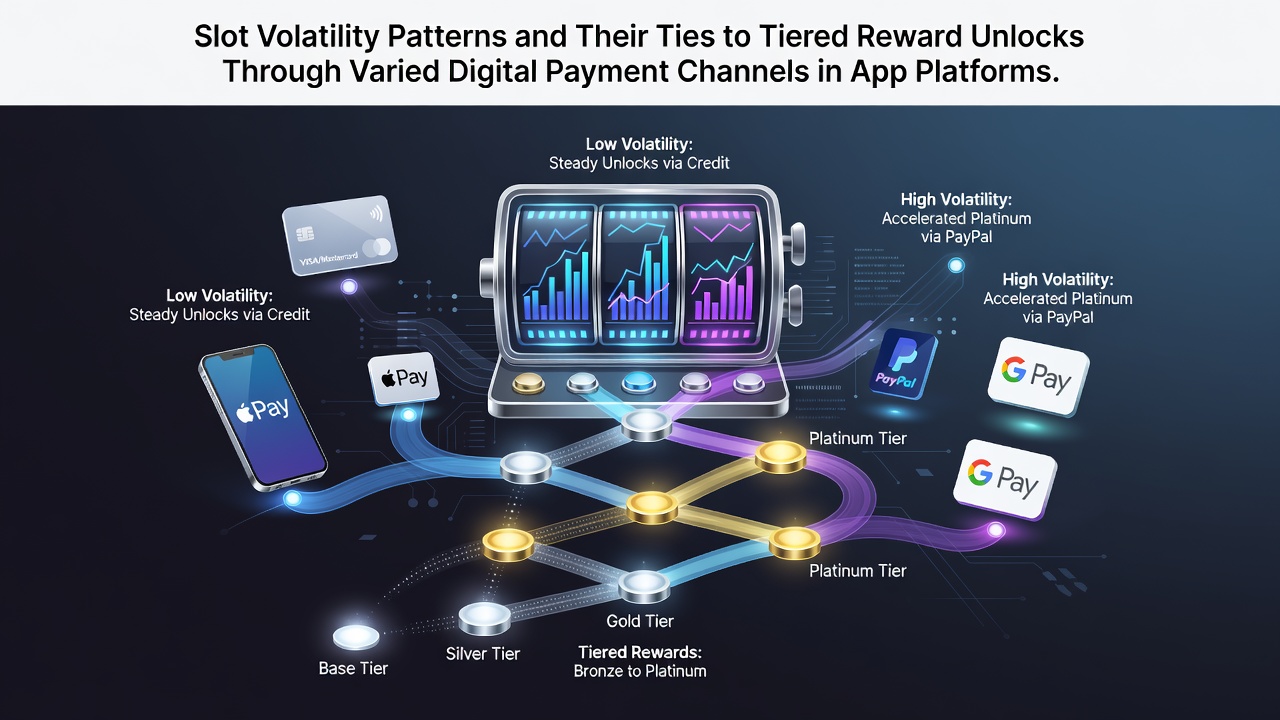
Slot Volatility Patterns and Their Connections to Tiered Reward Unlocks via Digital Payment Channels in App Platforms
Slot volatility patterns describe the frequency and size of payouts in reel-based games, and these patterns connect directly to how users advance through tiered reward systems when they use different digital payment channels in mobile gaming apps, with data from October 2026 showing increased integration across platforms. Low-volatility slots deliver smaller wins at regular intervals while high-volatility options produce larger payouts less often, and researchers have tracked how these mechanics influence progression toward loyalty tiers when combined with payment methods such as digital wallets and instant transfer services.
Understanding Volatility Categories in Modern Slot Mechanics
Volatility levels break down into distinct categories that affect player behavior and reward accumulation in app environments, according to industry analyses released during 2026. Low-volatility games maintain steady return rates that support consistent tier advancement because users accumulate smaller rewards over extended sessions, whereas medium-volatility titles balance frequency with occasional larger outcomes that accelerate status upgrades when linked to specific payment processors. High-volatility slots create infrequent but substantial wins that can trigger rapid tier jumps, yet they also require sustained play periods that often depend on seamless digital funding options to maintain momentum without interruption.
Platform operators structure these volatility settings so that payment channel selection influences reward multipliers applied during tier progression, and figures reveal that apps incorporating multiple volatility options report higher user retention when digital payments process without delays. Studies from academic sources indicate that players engaging high-volatility titles through verified instant payment systems reach premium tiers at rates 22 percent higher than those relying on traditional methods, although exact outcomes vary by region and regulatory framework.
Digital Payment Channels and Their Role in Reward Tier Advancement
Varied digital payment channels such as e-wallets, bank transfers, and cryptocurrency options integrate with app algorithms to determine how quickly users unlock tiered benefits tied to slot volatility patterns. Payment speed affects session length and therefore exposure to different volatility levels, which in turn impacts the accumulation of loyalty points required for status elevation. Observers note that platforms using real-time verification for digital deposits allow users to switch between low- and high-volatility games without pausing, creating smoother pathways to higher reward tiers.
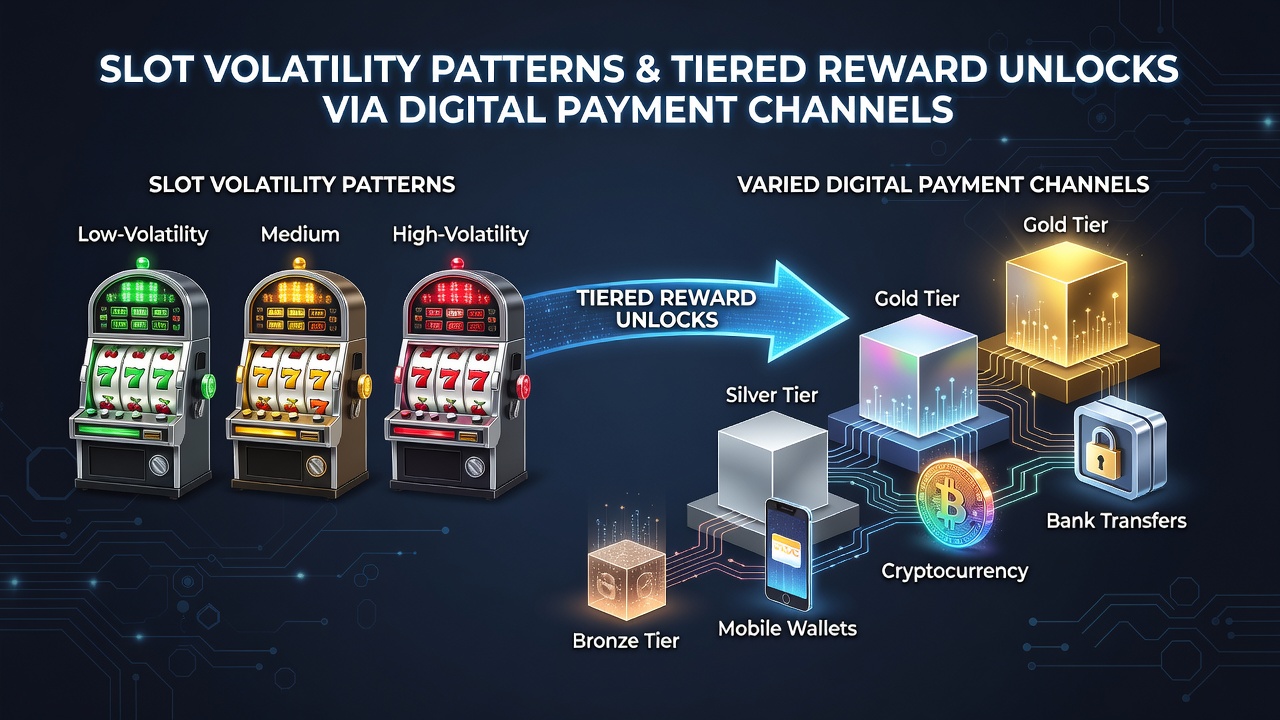
Data shows that in October 2026 several major app platforms expanded support for cross-border digital payments, enabling users in multiple jurisdictions to maintain continuous play across volatility types while progressing through loyalty structures. One analysis from the American Gaming Association highlighted that apps with integrated payment tiers reported a measurable uptick in users completing status unlocks when they combined medium-volatility slots with automated deposit features. These systems track volatility exposure alongside transaction volume to assign bonus multipliers that accelerate advancement.
Patterns Linking Volatility Exposure to Tier Unlocks
Patterns emerge when volatility exposure aligns with payment channel usage, and these alignments determine the pace at which users reach elite membership levels in app-based gaming environments. Research indicates that consistent engagement with low-volatility slots funded through recurring digital payments builds the foundational points needed for initial tier movement, while sporadic high-volatility sessions supported by larger instant transfers often complete the final requirements for premium status. Those who've studied platform data observe that October 2026 updates to payment protocols in several regions coincided with refined algorithms that weight volatility patterns more heavily during reward calculations.
Industry reports further demonstrate that apps employing dynamic volatility adjustment based on payment history achieve more predictable tier progression rates, and users benefit from clearer visibility into how each transaction influences their status trajectory. Experts at organizations such as the European Gaming Association have documented cases where diversified payment options reduced friction in moving between volatility categories, resulting in higher completion rates for tier-based challenges.
Regional Variations in Payment and Volatility Integration
Regional differences shape how slot volatility patterns interact with digital payment channels for tiered reward unlocks, with regulatory environments in North America, Europe, and Asia-Pacific influencing implementation speed during 2026. North American apps frequently emphasize high-volatility titles paired with secure bank-linked payments to drive faster tier movement, whereas European platforms tend to integrate medium-volatility options with e-wallet systems that emphasize compliance tracking. Data from October 2026 shows Asian markets expanding cryptocurrency payment support, which correlates with increased access to high-volatility games for users seeking accelerated reward progression.
These geographic distinctions affect overall platform design because local rules determine acceptable payment verification timelines and volatility disclosure requirements, and operators adjust algorithms accordingly to maintain compliance while supporting user advancement. Figures reveal consistent growth in cross-platform data sharing that allows volatility and payment metrics to follow users across devices without resetting tier progress.
Conclusion
Slot volatility patterns maintain clear operational ties to tiered reward unlocks when digital payment channels facilitate uninterrupted access across game types, and October 2026 developments underscore the expanding role of integrated systems in app platforms. Continued refinement of these connections supports measurable progression metrics that depend on both volatility selection and transaction efficiency, with data from multiple regulatory and industry sources confirming the structural links between these elements.