Tracing Electronic Wallet Approvals to Optimal Play Patterns Across Portable Reel and Table Interfaces for Status Elevation
Written by Zara Becker · Nov 24, 2026

Tracing Electronic Wallet Approvals to Optimal Play Patterns Across Portable Reel and Table Interfaces for Status Elevation
Electronic wallet approvals serve as entry points that connect directly to player activity logs in mobile casino applications, and operators use these connections to map sequences of deposits against specific betting behaviors on reel slots and table games. Data from transaction records show that verified approvals often precede sustained sessions where users alternate between high-frequency low-stake spins on portable reel interfaces and measured wagers at digital table layouts, patterns that feed into tier advancement algorithms.
Wallet Verification as the Starting Point for Play Tracking
Approval processes for electronic wallets require identity confirmation and funding source linkage before any play begins, which creates timestamped records that systems later cross-reference with game selections and outcome histories. Researchers at the University of Nevada, Las Vegas have documented how these initial approvals correlate with subsequent play duration and bet sizing across mobile platforms, noting that players who complete verification within a single session tend to exhibit clustered activity on both reel and table formats within the first 48 hours.
Portable reel interfaces record spin counts and multiplier triggers while table interfaces log hand decisions and side bet frequencies, and the combined dataset allows loyalty engines to calculate progression scores. Studies indicate that sequences involving at least three verified wallet transactions per week paired with balanced time allocation between reels and tables produce faster tier movement than single-game focus alone.
Patterns Emerging from Reel and Table Combinations
Analysis of mobile session data reveals recurring sequences where users begin with reel spins to build momentum before shifting to table play for longer decision cycles, and these shifts frequently align with wallet approval timestamps. Observers note that optimal patterns include consistent stake levels that match the funding increments from each approved transfer, avoiding abrupt spikes that trigger separate compliance reviews.
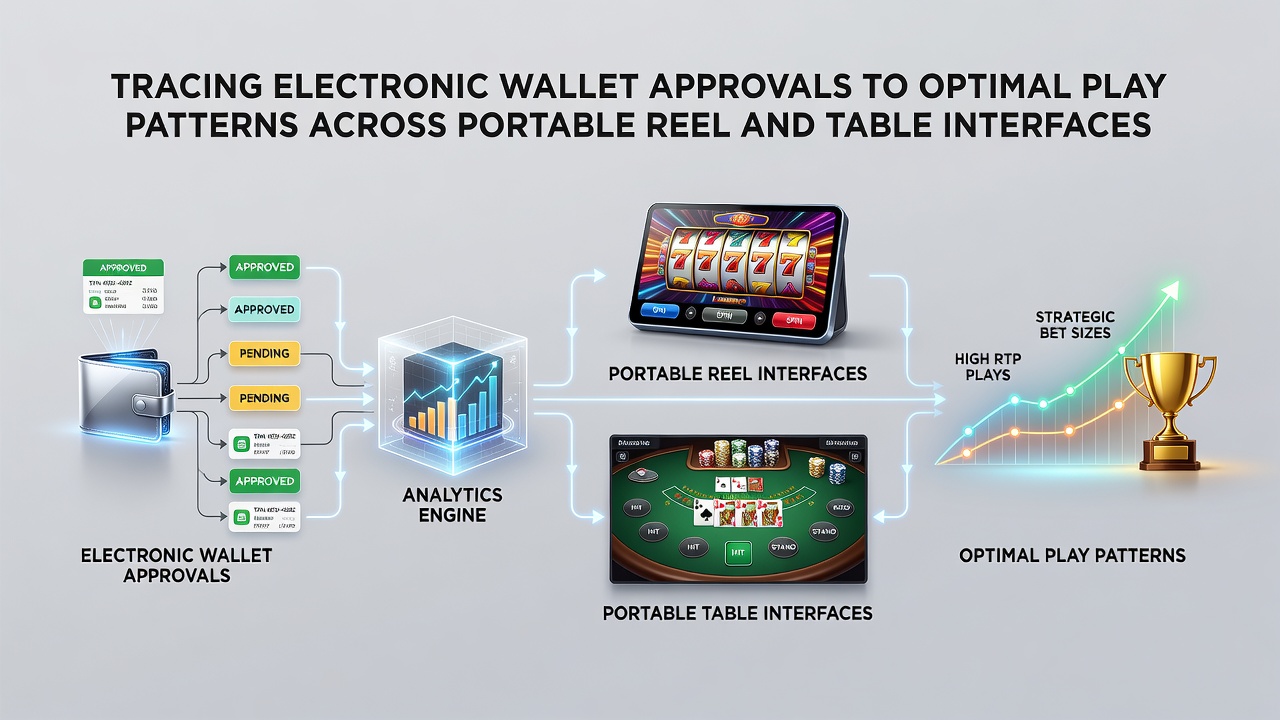
November 2026 figures from the New Jersey Division of Gaming Enforcement showed mobile transaction volumes rising alongside loyalty tier upgrades, with operators reporting that players maintaining mixed reel-table rotations after wallet approval reached premium status at rates 22 percent higher than those concentrating on one interface type. New Jersey Division of Gaming Enforcement records also tracked average session lengths extending when approvals processed through instant methods rather than delayed transfers.
Status Elevation Through Integrated Transaction and Play Data
Loyalty platforms assign points based on both transaction size and play efficiency metrics, so wallet approvals that clear quickly enable uninterrupted access to bonus rounds on reels and comped decisions at tables. Those who've examined platform logs find that users who link multiple wallet types and maintain approval histories across them demonstrate steadier advancement curves, because diversified funding reduces interruptions from single-source limits.
Table interfaces reward strategic choices with separate point categories while reel interfaces emphasize volume and feature triggers, and systems combine these metrics with approval frequency to determine eligibility for elevated tiers. Industry reports compiled by the American Gaming Association indicate that mobile users reaching top tiers in late 2026 averaged 14 approved wallet interactions monthly alongside play distributions of 60 percent reels and 40 percent tables.
Geographic variations appear in how operators weight these factors, yet the core mechanism remains consistent: each approved transfer generates a traceable marker that algorithms match against play sequences to forecast and accelerate status changes. American Gaming Association data further show regional differences in mobile adoption rates influencing how quickly these patterns translate into tier benefits.
Conclusion
Electronic wallet approvals function as foundational data points that operators align with detailed play records from portable reel and table interfaces, producing measurable pathways toward higher loyalty status. Continued examination of these connections across 2026 datasets highlights the role of transaction timing and game rotation in shaping progression outcomes for mobile users.